

ACCYDED - Citizens Association Against Corruption and for the Defense of the Rule of Law
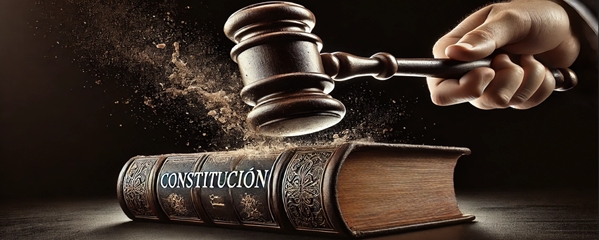
Kleptocracy: government by thieves. In two thousand years of history, hardly any empire has escaped it. Constitutional democracies were born precisely to prevent it, with free elections and checks that give meaning to the rule of law. The question is uncomfortable but necessary: how many features of a kleptocracy would an impartial observer recognise in Spain today?
A country's development depends largely on how well its justice system works, as it ensures that the constitutional rules of the game are respected. But what happens when those meant to uphold the rules are the first to break them? In Spain, over 240,000 people enjoy special jurisdiction, and most of those privileges were not created by the Constitution.
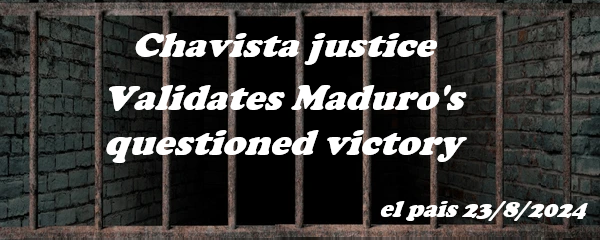
Our media readily expose the "non-justice" of other countries: courts that legitimise abuse and persecute dissenters. They rarely look inwards. Yet power deceives the people with the same tricks everywhere, and the fear of disagreeing with those in charge is just as palpable here. The question is unavoidable: what can happen to you if you dissent?

In football, a line a few centimetres wide decides whether a goal stands, and the referee can get it wrong. In justice, the red line separates legality from crime. A judge may also err; what is unacceptable is dozens of judges and prosecutors erring always in the same direction, precisely when the accused is someone nobody wants convicted.

Walk into a bakery and the smell promises something delicious; into a library, and we know we will learn; into a hospital, and we trust they will heal us. And when we enter a Spanish court? Legal certainty —the assurance that courts will respect the Constitution and apply the law— should be that promise. Too often it is not.

In 1985 a single organic law was enough for judges to shield themselves with the privilege of aforamiento. Four decades on, restoring the equality proclaimed in Section 14 of the Constitution looks like mission impossible. It is not. The solution exists, it is written into our laws, and it only requires someone willing to apply it.
Welcome to SpainLandia, a happy country where judges, politicians and institutions scrupulously respect the law and citizens' rights, and where the rule of law is the envy of the world. Or so we are told. Beyond our borders, however, international corruption indices paint a very different picture that hardly anyone here dares to look at.
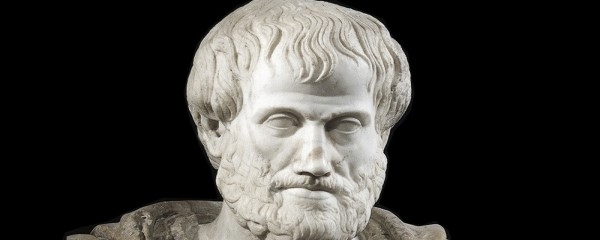
More than two thousand years ago, Aristotle warned of the danger of a power that is neither bound by law nor accountable. Spain, whose Constitution proclaims everyone equal, nonetheless keeps an army of privileged figures who do not answer to justice like everyone else. Holding power to account is the best vaccine against its corruption.

In football, a referee who favours one team sets a stadium alight and makes the evening news; VAR exists to correct him. Spanish justice has no VAR: when a judge tilts the pitch, the person reviewing it is usually another judge who may reply that "there is no right to a correct decision". And the match carries on regardless.
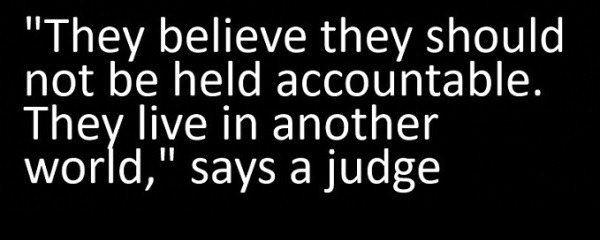
No citizen is above the law, the Spanish Constitution proclaims. Yet some institutions in Spain have granted themselves a kind of divinity: a separate treatment that shields them from criticism, investigation and punishment. When that aura reaches those who sit in judgment, Article 14 stops being a promise and becomes mere stage scenery.

Spain presents itself to the world as a consolidated state governed by the rule of law, yet international indices and many citizens' daily experience tell another story: whistleblowers who end up targeted, lawsuits that drag on for years, procedural privileges that shield a few and defrauded millions that never come back. Measuring the rule of law is no academic exercise.

"Privilege can only be understood as honour and as service to others." So said Spain's Head of State in April 2023, and it is hard to disagree. Yet those words grate in a country where judges and prosecutors have kept, for four decades, a procedural jurisdiction of their own that contradicts the constitutional principle of equality before the law.
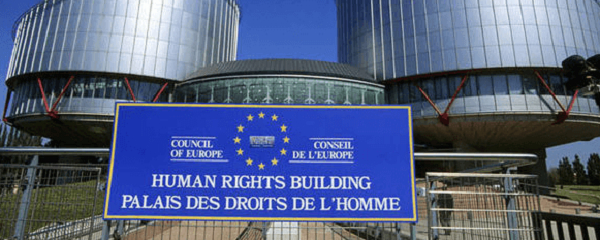
For European citizens who have lost everything in their national courts, Strasbourg is the last door. But what happens when that door always closes in the same way, with the same formula and at the hand of the same judge? Three applications, three unreasoned rejections and one uncomfortable question: who guarantees the impartiality of the guardian of human rights?

Europe borrowed jointly to fund its post-pandemic recovery and, at the same time, gave itself something it had never had: its own prosecutor to pursue those who steal from the common budget. Billions will flow through national administrations. The question is no longer whether there will be fraud, but whether anyone will dare report it, and who will investigate.
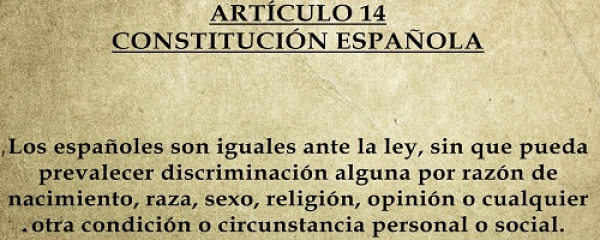
In Spain, being an MP, senator, minister, judge or senior regional official grants something no ordinary citizen can choose: the court that will try you. Presented as a safeguard for public office, the "aforamiento" has become a procedural privilege unmatched in Europe. ACCYDED has fought it for years, because equality before the law admits no exceptions of rank.
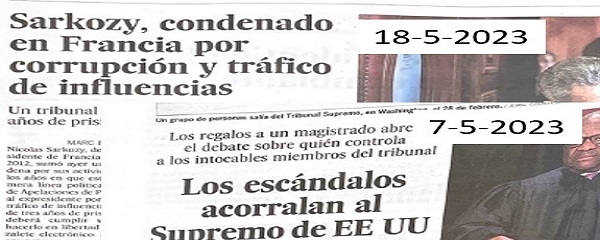
Leaf through the Spanish press and you might conclude that corruption is a foreign phenomenon: supreme court justices under suspicion abroad, former presidents convicted across the Pyrenees. Are there no senior judges or former leaders under suspicion here? The difference lies not in the honesty of our leaders, but in our system's inability to investigate them and report it.